How Our Specialised Behavioural Therapy Leads to Lasting Improvements

At daar, we specialise in Positive Behaviour Support (PBS), an innovative and person-centred approach to behaviour that aims to enhance quality of life and minimise behaviours of concern.

Specialised Behavioural Therapy

behaviour shape

Every person has unique goals — our OT plans are built around yours, not a generic template.

Life Outcomes Improved by  Positive Behaviour Support 

icon1

Enhanced Communication Skills: Positive Behaviour Support helps individuals develop effective communication methods, fostering better interactions and reducing frustration. 

icon2

Increased Independence: Positive behaviour support teaches essential life skills, enabling individuals to perform daily tasks confidently and independently. 

icon3

Improved Social Relationships: Positive Behaviour Support encourages positive social behaviours, leading to stronger relationships and better integration within the community. 

icon4

Greater Emotional Regulation: Through structured interventions, individuals learn to manage their emotions more effectively, leading to a more balanced and fulfilling life. 

Contact Us
Positive behaviour

Positive Behaviour Support (PBS) Plan:

Group 5
personalised OT assessment

Every OT journey starts with a comprehensive assessment of your strengths, challenges, and NDIS goals to build the right therapy plan for you.

add-circle
Group 5
sensory processing support

Our OTs use evidence-based sensory integration strategies to help participants regulate their responses to sound, touch, movement and other sensory input.

add-circle
Group 5
daily living skills

We target the activities of daily life — dressing, grooming, cooking and self-care — so participants can live as independently as possible.

add-circle
individual and their needs.
assistive technology

Our OTs assess, recommend and trial assistive technology — from communication devices to home modifications — funded through your NDIS plan.

add-circle
Group 5
fine motor & handwriting

We build the fine motor foundations children need for handwriting, cutting, drawing and school participation through targeted, play-based therapy.

add-circle
Group 5
school & community participation

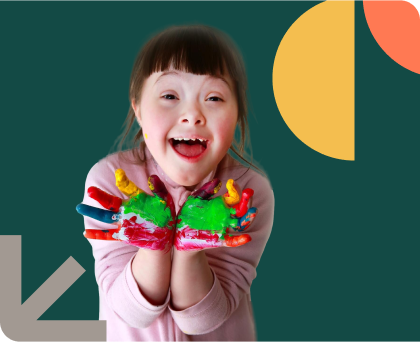
Our OTs work with schools and community settings to support full participation — including school readiness programs, classroom accommodations and social skill development.
add-circle

Our Occupational Therapy Programs

Sensory Processing & Integration Therapy

Many children and adults with autism, ADHD or developmental differences experience sensory processing difficulties — over- or under-responding to touch, sound, movement or visual input. Our OTs use Sensory Integration Therapy (SIT) to help the nervous system process sensory information more effectively, reducing meltdowns, improving attention and building regulation skills.

What are behaviours of Concern

Fine Motor Skills & Handwriting

Fine motor delays affect a child's ability to hold a pencil, do up buttons, use scissors and complete self-care tasks. Our OTs assess grip, coordination and strength then deliver targeted therapy — including the Handwriting Without Tears program — to build the foundations children need for school and daily life.

What are behaviours of Concern

Activities of Daily Living (ADL)

From dressing and grooming to cooking, cleaning and managing money, our OTs support participants to develop the daily living skills that build true independence. We work in the home, community and clinic to ensure skills generalise across real environments.

What are behaviours of Concern

Assistive Technology Assessment & Prescription

Assistive Technology (AT) can transform a participant's independence — from low-tech tools like grip aids and adapted cutlery to high-tech AAC devices, powered wheelchairs and smart home systems. Our NDIS AT Assessors complete comprehensive assessments, write AT reports and support the funding and implementation process end-to-end.

What are behaviours of Concern

Home & Workplace Modifications

Our OTs assess your home or workplace and recommend modifications — grab rails, ramps, bathroom adaptations, kitchen modifications — that support safe and independent living. We write the modification reports required by the NDIS and work with builders to ensure the right outcome.

What are behaviours of Concern

School Readiness & Paediatric OT

Starting school is a major milestone. Our paediatric OTs build the foundational skills children need — attention, self-regulation, pencil grip, scissor use, toileting independence and social participation — so they can thrive in the classroom from day one.

What are behaviours of Concern

Cognitive & Perceptual Skills

Cognitive and perceptual difficulties can affect memory, attention, organisation, visual processing and problem solving. Our OTs assess and treat these challenges using evidence-based approaches including the Cognitive Orientation to daily Occupational Performance (CO-OP) approach and brain training strategies.

What are behaviours of Concern

Why Choose Daar Occupational Therapists

At Daar, our OTs are AHPRA-registered and NDIS-registered, bringing specialist expertise in paediatric OT, sensory integration, assistive technology and adult rehabilitation. We use a strengths-based, family-centred approach — working collaboratively with participants, families, schools and support networks to deliver therapy that makes a real difference in everyday life.

What are behaviours of Concern

Get Started

Get access to quality, efficient, and professional OT care.

Request a call to find out how Daar's Occupational Therapists can help you achieve your NDIS goals.

Leading source

Leading source of information for allied health news, studies and resources.

self-determined and independent

We support you to be self-determined and independent, giving you the control and freedom to achieve your individual goals

client-centric

We provide superior quality, client-centric and innovative treatment to support you to realise your full potential

behaviour footer shape
Frame 42946
ai s t1
ai s t