
.png?width=48&height=48&name=Group%201%20(3).png)




















What is Apraxia of Speech?
Apraxia of speech is a neurological motor speech disorder. Unlike other speech difficulties that might be caused by muscle weakness (such as dysarthria), apraxia is a problem with motor planning.
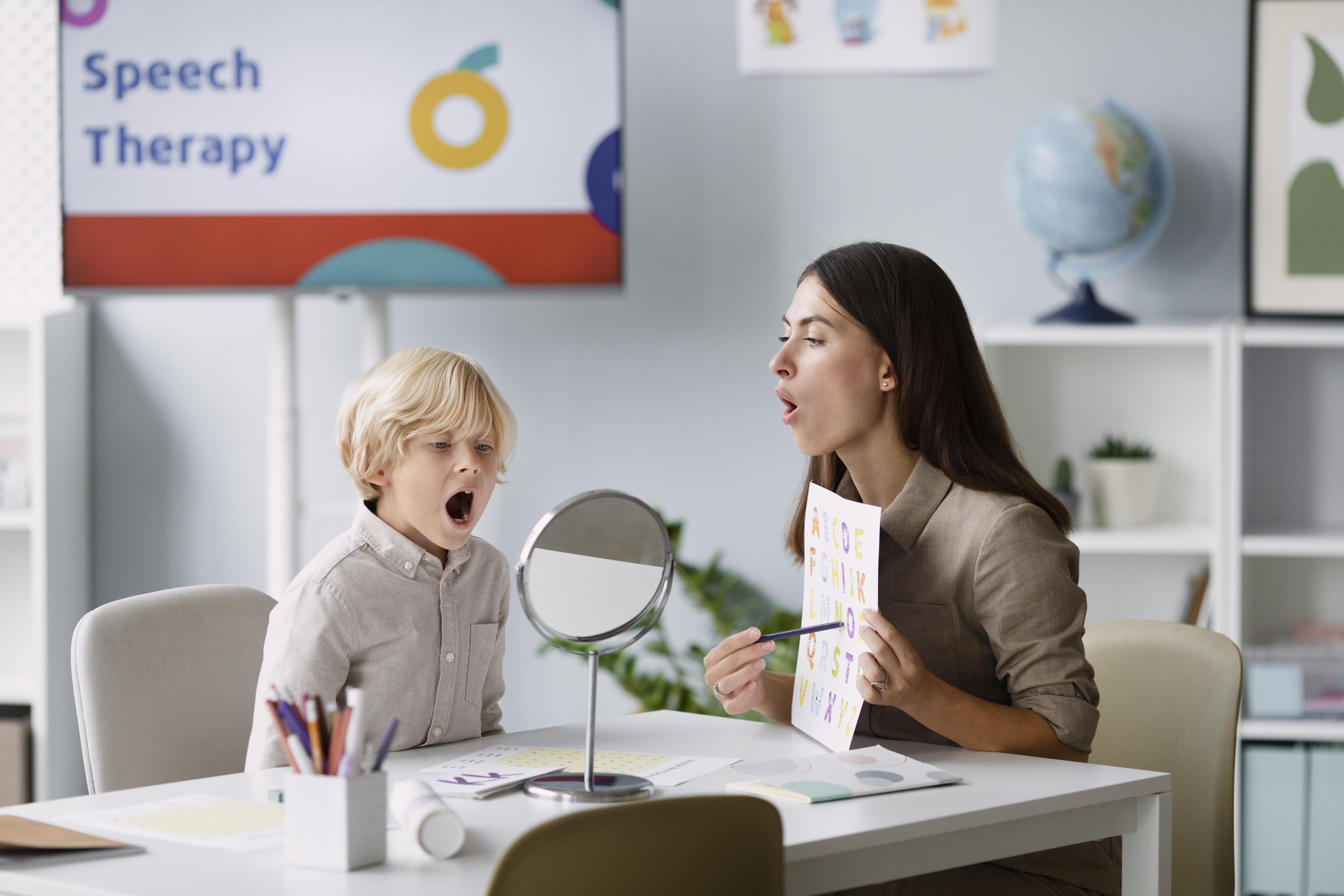
The brain struggles to plan and coordinate the muscle movements needed to form words. The muscles themselves are usually strong enough, but the instructions to move them get mixed up along the way. Outwardly, this often looks like someone is physically struggling, or "groping", to find the right mouth position to make a sound.
At our Canterbury clinic, we treat the two main types of apraxia:
.svg)
Childhood Apraxia of Speech (CAS)
CAS is a motor speech disorder present from early childhood. Children with CAS do not simply "outgrow" it, nor will they acquire speech sounds through typical play and passive listening. They require specific, frequent, and intensive motor-based speech therapy to train their brain to plan and coordinate speech movements.
.png)
Acquired Apraxia of Speech
Acquired apraxia can affect adults at any age. It usually occurs following a brain injury, stroke, tumour, or other neurological illness. An adult with acquired apraxia has already learned to speak, but the injury has disrupted their brain's ability to retrieve and execute those motor plans.
Signs and Symptoms of Apraxia
Because every individual is different, the presentation of apraxia can range from mild to severe. If you are noticing any of the following signs, it may be time to book an assessment with the team at daar:
In Children:
- A history of being a "quiet baby" with very little babbling.
- First words are delayed, or they start saying a few words and then lose them.
- Making inconsistent errors (e.g., saying the same word differently every time).
- Visible struggle or "groping" of the mouth, tongue, or jaw when trying to speak.
- Distorting vowel sounds or leaving out consonants at the beginnings or ends of words.
- Understanding language much better than they can speak it (high receptive language, poor expressive language).
.png)
How daar Treats Apraxia in Canterbury
Apraxia requires a different treatment approach than typical speech delays. Because it is a motor-planning issue, traditional language therapy won't cut it.
At daar, our Canterbury speech pathologists use proven, evidence-based motor learning principles. Our therapy focuses on:
- Frequent Repetition: The brain learns motor plans through practice. We design highly engaging, high-repetition therapy sessions to build those neural pathways.
- Specialised Programs: We utilise heavily researched approaches tailored for apraxia, such as dynamic temporal and tactile cueing (helping physically guide the mouth into position if needed).
- AAC Implementation: For those with severe apraxia, we can introduce Augmentative and Alternative Communication (AAC) systems—like communication boards or speech-generating devices—to ensure they have a voice while we work on verbal speech.
- Home Practice: We work closely with families and carers to integrate practice into daily Aussie routines, ensuring progress continues well after you leave the clinic room.
-2.png)
NDIS and Medicare Support
Living with apraxia often means requiring ongoing therapy. As a proudly local Canterbury practice, daar is highly experienced in navigating the Australian healthcare system.
- NDIS: We provide thorough diagnostic assessments and ongoing therapy for Self-Managed and Plan-Managed NDIS participants.
- Medicare: Talk to your GP about a Chronic Disease Management (CDM) plan to see if you are eligible for Medicare rebates on your apraxia therapy sessions.

Frequently Asked Questions:
Will my child grow out of Childhood Apraxia of Speech?
No. Unlike some common speech and language delays, a child will not outgrow CAS. Because it is a neurological motor planning disorder, it requires targeted, repetitive speech pathology intervention for the child to learn how to produce speech accurately.
What is the difference between apraxia and a speech delay?
A child with a speech delay is following the typical path of speech development, just at a slower pace. A child with apraxia is making atypical errors (like distorting vowels or struggling to sequence sounds) because their brain is having trouble coordinating the physical movements of speech.
How long does therapy for apraxia take?
Because apraxia involves essentially "rewiring" the motor pathways in the brain, therapy is usually a long-term commitment. It requires frequent, intensive sessions (often weekly or fortnightly) combined with daily home practice. Out team at daar will work with you to create a realistic, achievable plan that fits your family's lifestyle.
.svg)


Find Us Here

Shop 1 364 Canterbury Rd Canterbury NSW 2193
Underground parking is available behind our building on Onslow St. Take the elevators up to Ground Floor to access our clinic.
.svg)

Get access to quality, Efficient, and professional care.
Request a call to find out how daar can help you achieve your health goals.

Leading source of information for allied health news, studies and resources.

We support you to be self-determined and independent, giving you the control and freedom to achieve your individual goals

We provide superior quality, client-centric and innovative treatment to support you to realise your full potential





.svg)