
.png?width=48&height=48&name=Group%201%20(3).png)






















What is an Articulation Disorder?
While young children frequently mispronounce words as they learn to talk, a child with an articulation disorder continues to struggle with the physical production of specific sounds past the expected developmental age.
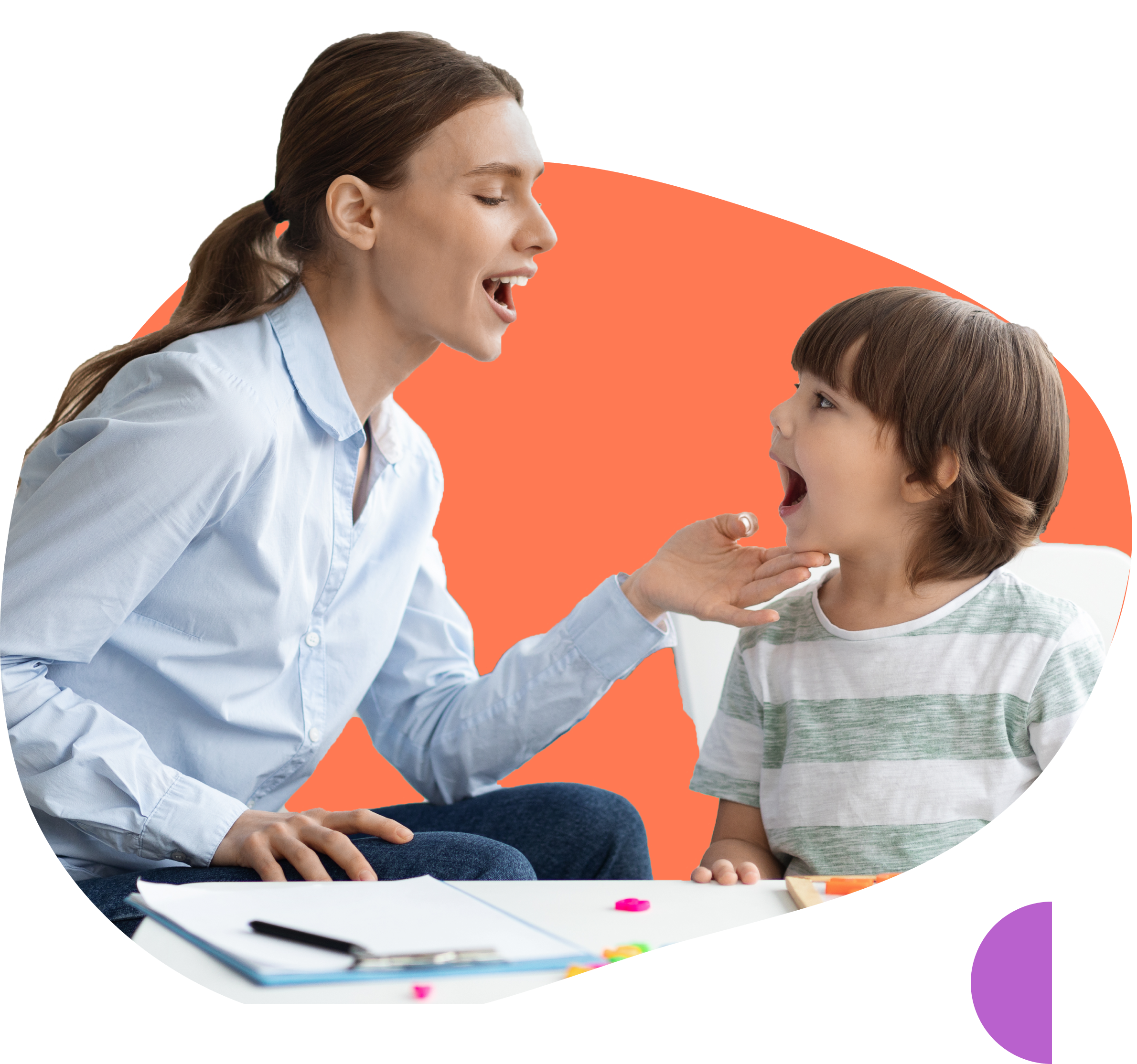
Unlike a phonological disorder (which is about the rules of language in the brain), an articulation disorder is purely a motor-speech issue. The child knows the word they want to say, but they physically cannot get their articulators (tongue, teeth, lips, palate) to coordinate the right movement.
Common Signs of an Articulation Disorder:
- Substituting sounds: Saying "wabbit" instead of "rabbit", or "fumb" instead of "thumb".
- Distorting sounds (Lisps): A frontal lisp (where the tongue pokes between the teeth on "s" or "z" sounds, like "thoup" for "soup") or a lateral lisp (where air escapes out the sides of the mouth, sounding "slushy").
- Adding sounds: Adding an extra physical sound where it doesn't belong (e.g., "buh-lack" for "black").
- Frustration: The child may become upset when trying to say complex words because their mouth physically won't cooperate.

Comprehensive Articulation Therapy in Canterbury
Correcting an articulation issue takes specific, structured practice. Our Canterbury speech Pathology team uses proven, evidence-based therapies to teach your child exactly where to put their tongue, teeth, and lips to make crisp, clear sounds.
Our therapy process is highly structured but always play-based:
.svg)
Auditory Discrimination
We first ensure your child can actually hear the difference between the correct sound and their error sound.
.svg)
Visual and Tactile Cues
We use mirrors, tongue depressors, and modeling to physically show your child where to place their tongue and lips.
.svg)
The Articulation Hierarchy
We don’t expect them to say the sound perfectly in a sentence right away. We build strength gradually: starting with the sound in isolation (just "S"), moving to syllables ("Sa"), then words ("Sun"), then sentences ("The sun is hot"), and finally, natural conversation.
.svg)
Home Practice
Because articulation is about building "muscle memory," short, daily practice is essential. We equip parents with fun, simple games to practice physical sounds at home.
NDIS Speech Therapy for Articulation Disorders in Canterbury
If an articulation disorder is severe enough to impact a child’s self-esteem, social participation, or ability to be understood at school, therapy may be eligible for NDIS funding.
As your local NDIS partner in the Canterbury-Bankstown area, daar provides therapy under the "Capacity Building – Improved Daily Living" budget.
- We support families who are NDIA-Managed, Plan-Managed, and Self-Managed.
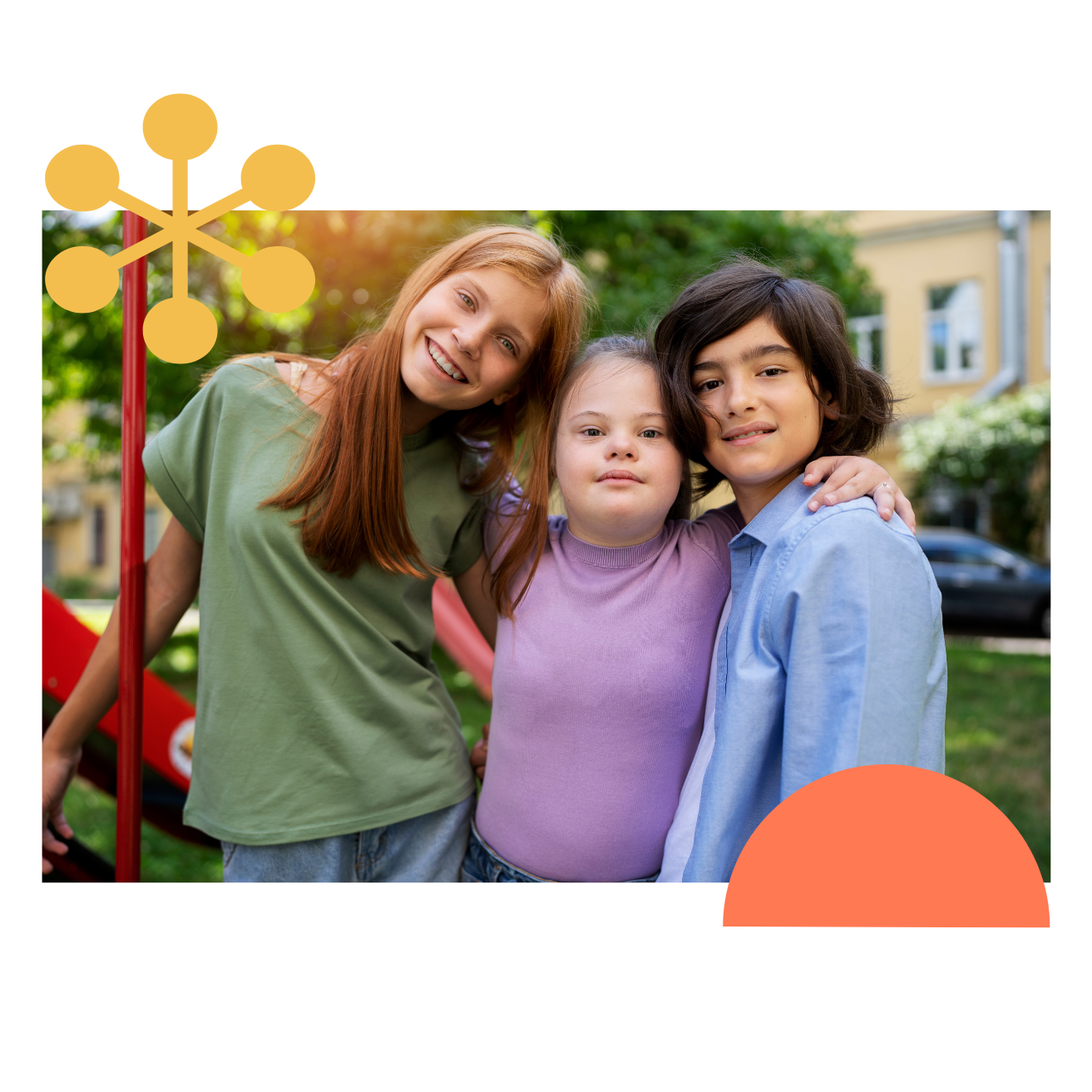
- Mobile Visits & School Integration: We offer flexible mobile visits to your home, daycare, or primary school across the Canterbury region. This allows us to practice new speech sounds in real-world environments, ensuring your child can speak clearly not just in a clinic, but proudly on the Playground with friends.
Serving All Suburbs Across the Canterbury LGA
At daar, we are proud to extend our expert speech pathology services across the vibrant, multicultural communities of the Canterbury LGA. We understand that for families living in this bustling region—whether near the beautiful Cooks River parklands, the busy shopping strips of Campsie and Belmore, or the excellent local schools—having access to reliable healthcare close to home is vital.
Our mobile team regularly services the entire Canterbury area, ensuring that NDIS speech therapy is accessible right where you need it—whether that’s at home, at school, or via telehealth.
We proudly serve families in:
- Canterbury & Campsie: Comprehensive support for residents near the river, hospital precinct, and major transport hubs.
- Earlwood & Hurlstone Park: Convenient home visits for families in the leafy, established residential streets.
- Belmore & Lakemba: Partnering with local schools to provide culturally responsive, integrated care.
- Punchbowl & Roselands: Ensuring accessible therapy options near the major shopping centres and community hubs.
- Ashbury & Belfield: Connecting our neighbours with high-quality speech and swallowing support.
No matter where you are located in the Canterbury LGA, daar is your local partner for communication success.
-2.png)
Why Canterbury Families Choose daar
Choosing a speech pathologist is a deeply personal decision. You want a team that not only understands the clinical science but also understands your child. Here is why hundreds of families across South West Sydney trust daar with their child’s communication journey:
.svg)
NDIS-Registered & Evidence-Based
As a fully registered NDIS speech therapy provider, we meet the highest standards of quality and safety. We don't rely on guesswork; our therapies are strictly rooted in the latest clinical research. Whether we are using the Lidcombe Program for stuttering for children or neuro-affirming strategies for speech therapy for autism, you can trust that our methods are proven to be effective.
Experienced Local Team
We are proud to be part of the Canterbury community. Our clinicians are highly experienced in working with the culturally and linguistically diverse families that make South West Sydney so vibrant. We understand the local landscape, local schools, and the specific needs of our community, ensuring your child receives culturally responsive and relevant care.
.svg)
Tailored and Comprehensive Services
We reject the "one size fits all" approach. From early intervention for toddlers to complex Social Communication support for teens, our paediatric speech therapy services cover the full spectrum of communication needs. We tailor every single session, goal, and strategy to fit your child’s unique personality, interests, and specific diagnosis.
Family-Centred Approach
You are the most important person in your child's life, and you are their best teacher. We don't just treat the child in isolation; we partner with the whole family. We ensure you leave every session equipped with the knowledge, confidence, and practical strategies to continue therapy at home, making everyday moments an opportunity for growth.
.svg)
Trust and Transparency
We believe in open, honest communication. From clear explanations of our fees and NDIS funding processes to transparent discussions about your child's progress and realistic timelines, we keep you informed every step of the way. There are no hidden surprises—just a dedicated team working alongside you to achieve the best possible outcomes for your child.
.svg)


Find Us Here

CanterburyNew South Wales 2193Australia
Get access to quality, Efficient, and professional care.
Request a call to find out how daar can help you achieve your health goals.

Leading source of information for allied health news, studies and resources.

We support you to be self-determined and independent, giving you the control and freedom to achieve your individual goals

We provide superior quality, client-centric and innovative treatment to support you to realise your full potential





.svg)