
.png?width=48&height=48&name=Group%201%20(3).png)















A Neurodiversity-Affirming Approach to Therapy
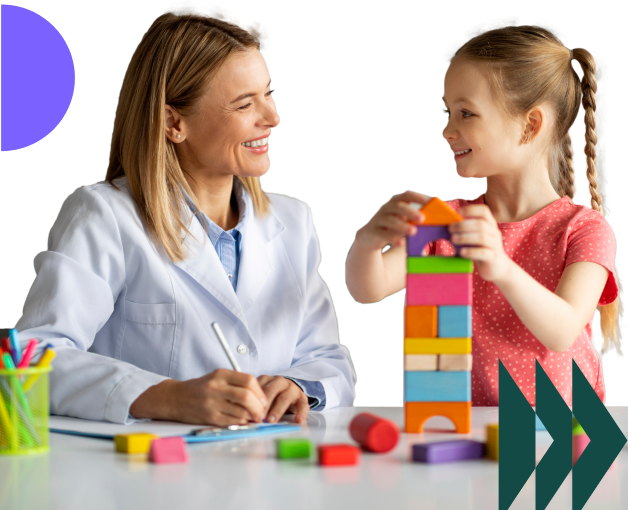
Historically, speech therapy for Autistic individuals often focused on forcing compliance, such as making a child produce eye contact or suppressing safe "stimming" behaviours. At daar, we actively reject these outdated methods.
When you partner with our Canterbury team, you can expect an approach that is:
- Strengths-Based: We build on the individual's unique interests (passions/special interests) to make therapy engaging and meaningful.
- Sensory-Safe: We respect sensory needs. If a client needs the lights dimmed, quiet space, or to move around the room while learning, we accommodate and encourage it.
- Child-Led and Low-Demand: For Autistic children, we follow their lead in play. By removing pressure and focusing on connection, we create an environment where communication can naturally flourish.
- Respectful of All Communication: We value all forms of communication equally, whether it is spoken words, sign language, gestures, or using a speech-generating device.
How We Support Autistic Individuals at daar
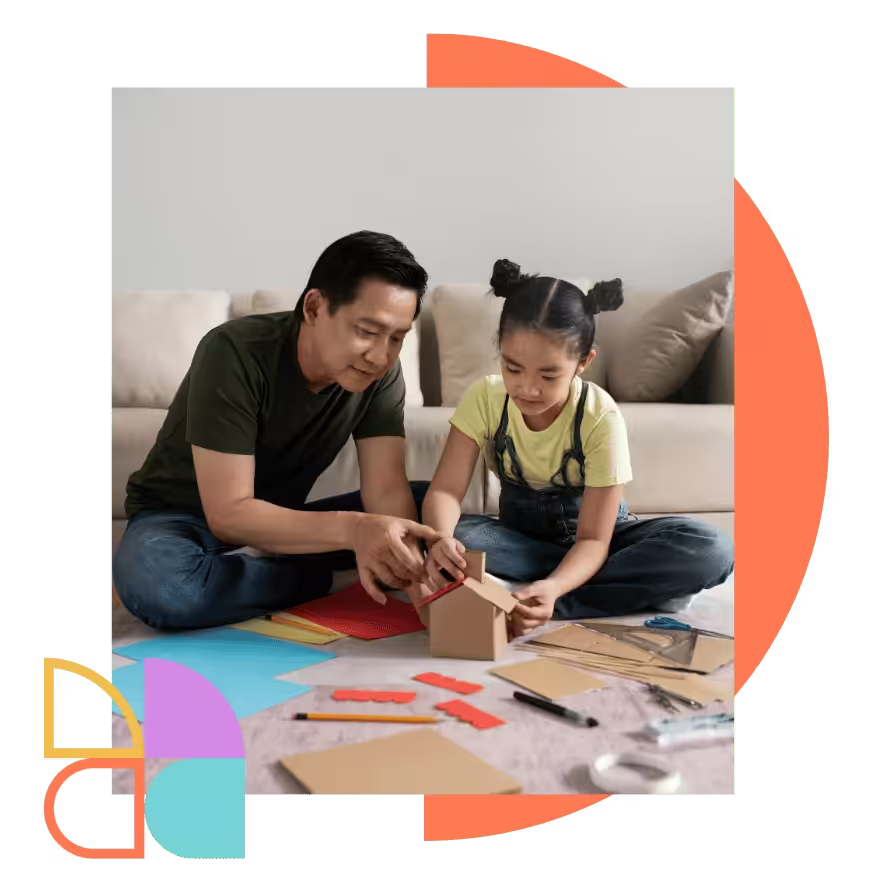
Autism is a dynamic spectrum, meaning each person's communication profile is unique. Our highly trained speech pathologists at daar provide individualised support in several key areas:
.svg)
Gestalt Language Processing (GLP)
Many Autistic children learn language differently than neurotypical children. Instead of learning single words first, they learn language in "chunks" or scripts—often lifting phrases from their favourite TV shows, movies, or things they hear you say. This is known as Gestalt Language Processing or echolalia. Our team is trained to recognise this completely valid way of learning language and uses specialized strategies to help Gestalt processors confidently expand their communication.
.svg)
Augmentative and Alternative Communication (AAC)
For Autistic individuals who are non-speaking, unreliably speaking, or experience times of temporary communication loss (often due to sensory overload or burnout), AAC changes lives. We assist with prescribing, customising, and teaching AAC systems. This ranges from simple picture-exchange boards to high-tech speech-generating devices (like iPads with Proloquo2Go or LAMP).
.svg)
Expressive and Receptive Language
We support Autistic individuals in understanding what others are saying (receptive language) and finding the right words or methods to express their own thoughts, feelings, and needs (expressive language) effectively.
.svg)
Self-Advocacy and Social Connection
We do not teach "social skills" that encourage hiding Autistic traits. Instead, we focus on self-advocacy: helping individuals safely communicate their boundaries (e.g., saying "no" or "I need a break"), understanding their own emotions, and finding ways to meaningfully connect and socialise with both neurodivergent and neurotypical peers.
NDIS Funding and Support in Canterbury
Providing accessible care for the Autistic community is a priority at our Canterbury clinic. daar is highly experienced in the National Disability Insurance Scheme (NDIS) landscape.
- Plan-Managed and Self-Managed NDIS: We accept NDIS funding under Capacity Building (Improved Daily Living).
- Reports and Assessments: We provide comprehensive functional capacity assessments and progress reports to support your child’s NDIS plan reviews or initial funding applications.
- Medicare: Speak to your GP about an Enhanced Primary Care (EPC) / Chronic Disease Management (CDM) plan to access Medicare rebates for a portion of your therapy.
Frequently Asked Questions:
Do I need a formal Autism diagnosis to start therapy?
No, you do not need a formal diagnosis. If you suspect your child is Autistic or they have a developmental delay, we can commence early intervention therapy immediately. Our focus is on supporting the individual's needs, regardless of the paperwork.
Can you help my child stop echoing (echolalia)?
We don't want to stop echolalia! Echolalia is meaningful communication. Instead of stopping it, our speech pathologists will help decode what your child is trying to say with their scripts, and gently support them to break those scripts down into more flexible, self-generated language over time.
My child is non-speaking. Will using an AAC device stop them from learning to talk?
This is a very common myth. Extensive research shows that using AAC does not stop a child from speaking. In fact, providing an AAC device often reduces frustration, builds language comprehension, and can actually encourage spoken language development.
.svg)


Find Us Here

Shop 1 364 Canterbury Rd Canterbury NSW 2193
Underground parking is available behind our building on Onslow St. Take the elevators up to Ground Floor to access our clinic.
.svg)

Get access to quality, Efficient, and professional care.
Request a call to find out how daar can help you achieve your health goals.

Leading source of information for allied health news, studies and resources.

We support you to be self-determined and independent, giving you the control and freedom to achieve your individual goals

We provide superior quality, client-centric and innovative treatment to support you to realise your full potential





.svg)