
.png?width=48&height=48&name=Group%201%20(3).png)












What is Paediatric Communication Development?
When we talk about helping kids with their communication, we are looking at much more than just how clearly they speak. Our holistic, child-friendly therapy focuses on three vital areas of your child’s development:
- Understanding (Receptive Language): Helping your child process spoken information, answer questions correctly, understand stories, and follow instructions at home or in the classroom.
- Expressing (Expressive Language): Supporting your child to share their thoughts, needs, and big feelings. This includes building their vocabulary, putting words together into sentences, and using alternatives like sign language or communication iPads (AAC) if needed.
- Connecting (Social Communication): Teaching the unspoken rules of play. We help kids read non-verbal cues, take turns, understand different perspectives, and navigate social situations with their peers in a safe, authentic way.
Signs Your Child Might Need Support
You know your child better than anyone else. We always encourage parents to trust their gut. You might consider booking an assessment at our Canterbury clinic if your child:
- Is a "late talker" and isn't using words by 18 months.
- Gets highly frustrated or has tantrums because they can't make themselves understood.
- Struggles to follow basic directions (like "grab your shoes and put them by the door").
- Has a hard time answering simple questions about their day.
- Finds it difficult to join in with other kids at preschool or the local park.
- Echolalia (frequently repeating phrases from TV shows or other people without using their own generated words to communicate).
.png)
The daar Approach: Fun, Play-Based, and Neuro-Affirming
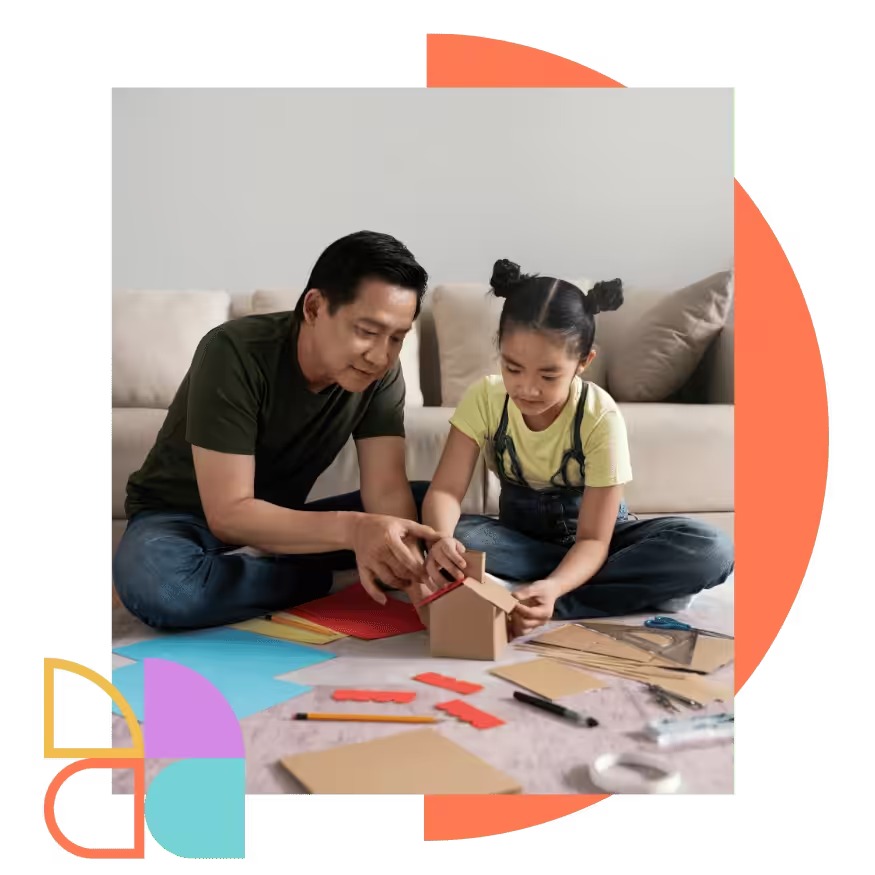
At daar, we leave the strict, boring desk work behind. We know that young children learn best when they are having fun, which is why our communication development sessions are highly play-based. We get down on the floor with your child, using their favourite toys, games, and interests to naturally draw out their communication skills.
We are also proudly neurodiversity-affirming. If your child is Autistic or has ADHD, we do not try to "mask" their natural personality to make them act neurotypical. Instead, we celebrate how their unique brain works, helping them communicate and self-advocate in a way that feels comfortable and true to who they are.
Furthermore, we use a family-centred model. You’ll leave every session equipped with simple, practical strategies to encourage your child's language development during everyday Aussie routines—like bath time, the drive to kindy, or weekend trips to the park.
.png)
NDIS & Early Intervention Support
We proudly support families accessing the National Disability Insurance Scheme (NDIS) under the Early Childhood approach. Daar provides tailored communication therapy for Self-Managed and Plan-Managed NDIS participants. We work closely with your child’s educators, occupational therapists, and paediatricians to ensure a team approach to their development.
Frequently Asked Questions:
How do I know if my child needs help with communication development?
If your child is missing typical developmental milestones, or if you simply feel something is holding them back from expressing themselves, early intervention is always the best step. The old advice of "wait and see" is no longer recommended by professionals. An early assessment at our Canterbury clinic will either give you peace of mind or equip your child with the support they need before small hurdles turn into larger struggles at school.
What does a communication development session look like for a young child?
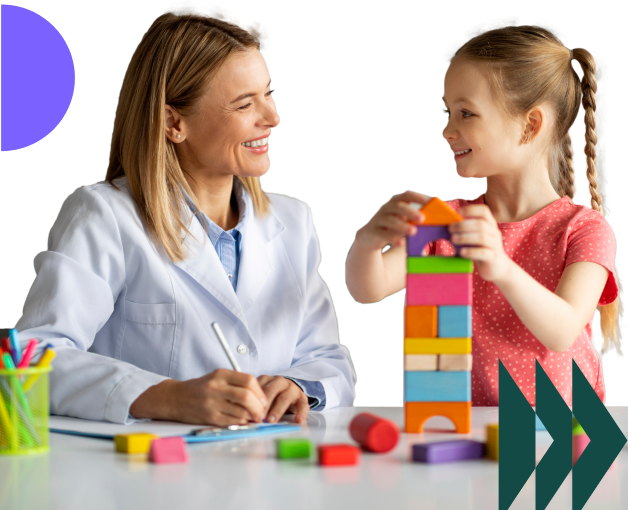
It looks a lot like play! When you visit Daar, you won't see a clinical, scary medical environment. Depending on your child's age and goals, a session might involve blowing bubbles to encourage requesting ("more bubbles!"), building block towers to practice taking turns, or reading interactive books to build vocabulary. It’s all about creating a low-pressure, highly engaging environment where your child feels safe to communicate.
Can I use NDIS or Medicare to fund my child's therapy sessions?
Yes. If your child is an NDIS participant (Self-Managed or Plan-Managed), our communication development services are covered under their Capacity Building budget. If your child does not have the NDIS, you can speak to your GP about a Chronic Disease Management (CDM) plan. If eligible, this gives you access to a Medicare rebate for up to five allied health sessions per calendar year.
.svg)


Find Us Here

Shop 1 364 Canterbury Rd Canterbury NSW 2193
Underground parking is available behind our building on Onslow St. Take the elevators up to Ground Floor to access our clinic.
.svg)

Get access to quality, Efficient, and professional care.
Request a call to find out how daar can help you achieve your health goals.

Leading source of information for allied health news, studies and resources.

We support you to be self-determined and independent, giving you the control and freedom to achieve your individual goals

We provide superior quality, client-centric and innovative treatment to support you to realise your full potential




.svg)