
.png?width=48&height=48&name=Group%201%20(3).png)























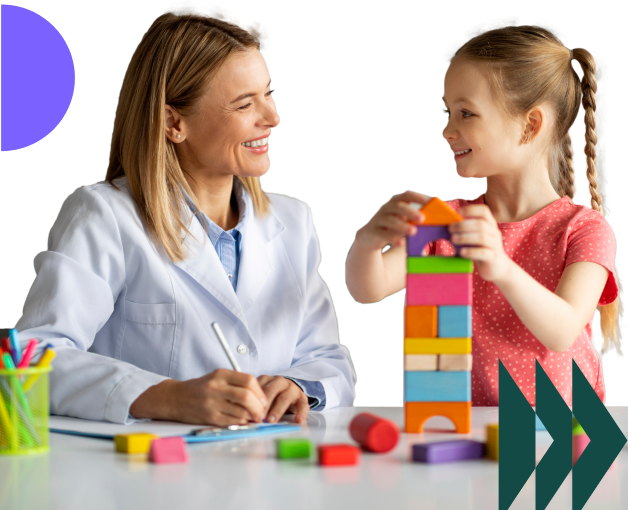
What is Social Communication (Pragmatic Language)?
Speech pathology isn't just about pronouncing the "s" or "r" sound correctly. A huge part of how we communicate involves the "unwritten rules" of social interaction. Pragmatics, or social communication, involves three main skills:
- Using language for different reasons: Greeting someone, making a request, commenting on a game, or asking a question.
- Adapting language to the listener or situation: Knowing you need to speak differently to a teacher in a quiet classroom compared to yelling out to a friend on the sports oval.
- Following the "rules" of conversation: Taking turns, staying on topic, reading body language, understanding facial expressions, and knowing how close to stand to someone.
When a child experiences a social communication challenge, they might have an amazing vocabulary, but struggle with the how, when, and why of talking to others.
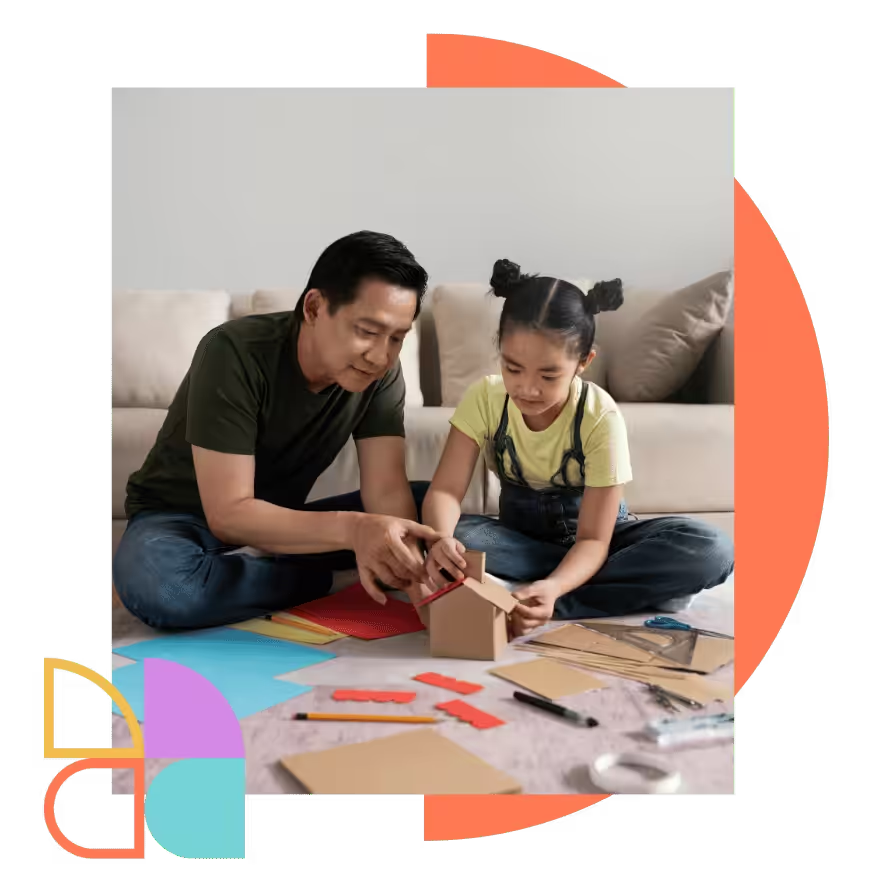
Signs Your Child Might Benefit from Social Communication Support
Social development looks different for every child. However, you might consider booking an assessment at our Canterbury clinic if your child frequently:
- Struggles to make or keep friends at preschool or primary school.
- Takes things very literally and has difficulty understanding jokes, sarcasm, or idioms (e.g., "it's raining cats and dogs").
- Dominates conversations or "info-dumps" about their favourite topic without noticing if the other person is still engaged.
- Has trouble with cooperative play, struggling to negotiate, share rules, or cope with losing a game.
- Interrupts constantly or doesn't know how to appropriately join a group of kids who are already playing.
- Experiences social exhaustion or meltdowns after school because trying to navigate peer interactions is too overwhelming.
The daar Difference: Affirming, Not Masking
Many traditional "social skills" programmes try to repeatedly drill children on how to behave like neurotypical kids—such as forcing them to make uncomfortable eye contact or suppress natural body movements (stimming).
At daar, we take a neurodiversity-affirming approach. We do not teach children to mask their differences. Instead, our Canterbury team focuses on mutual understanding and self-advocacy.
When your child attends our clinic, therapy involves:
- Self-Advocacy: Teaching your child how to safely say "I need a break", "That's too loud for me", or "I don't understand what you mean."
- Understanding Different Brains: We explore the concept of the "Double Empathy Problem"—helping your child understand neurotypical social expectations to keep them safe and connected, while also validating their own unique way of communicating.
- Strengths-Based Play: We use your child's special interests (whether that is Pokémon, dinosaurs, or drawing) to model and practise social problem-solving in a highly motivating way.
- Real-World Application: We practise functional skills like negotiating compromises, reading the "room," and building conflict-resolution skills.
Funding Options: NDIS and Medicare Support
The daar administration team is committed to helping Canterbury families access the care they need through local funding avenues:
- NDIS Participants: We are highly experienced in supporting self-managed and plan-managed NDIS participants. We provide capacity-building therapy and the comprehensive reporting needed for your NDIS plan reviews.
- Medicare: If your child is eligible for a Chronic Disease Management (CDM) plan from your GP, you can claim a Medicare rebate for up to five speech pathology sessions per calendar year.
- Private Health Insurance: We provide on-the-spot claiming for most major private health funds (depending on your extras cover).
.png)
Frequently Asked Questions:
Is social communication therapy only for Autistic children?
No. While social communication differences are a core characteristic of Autism, neurodiversity-affirming social support is highly beneficial for children with ADHD, Language Disorders, general social anxiety, or simply kids who need a bit of extra coaching to find their confidence in group settings.
Will you run social groups or just individual therapy?
Following an initial individual assessment, we often incorporate group therapy or "peer pair" sessions if it aligns with your child's goals. Practising social skills with a peer in a safe, guided clinic environment is an excellent stepping stone to the real world.
How can I help my child at home?
Parent collaboration is essential! We dedicate time in every session to give you feedback. We will equip you with practical scripts and strategies to help coach your child through playdates, sibling disagreements, and family social events.
.svg)


Find Us Here

Shop 1 364 Canterbury Rd Canterbury NSW 2193
Underground parking is available behind our building on Onslow St. Take the elevators up to Ground Floor to access our clinic.
.svg)

Get access to quality, Efficient, and professional care.
Request a call to find out how daar can help you achieve your health goals.

Leading source of information for allied health news, studies and resources.

We support you to be self-determined and independent, giving you the control and freedom to achieve your individual goals

We provide superior quality, client-centric and innovative treatment to support you to realise your full potential





.svg)